Protecting Your Data When Shopping on Marketplaces
Shopping on large online marketplaces has become a routine part of everyday life in the United States, and each purchase involves a quiet exchange of information. Name, address, phone number, email, and payment details move between the shopper, the platform, and often third-party sellers. Understanding how that information flows is the first step toward making deliberate choices about what to share and how to protect it.
Data protection in this context is less about a single product or tool and more about a set of consistent habits. These habits include deciding what information is truly necessary, keeping accounts well maintained, choosing payment methods thoughtfully, and recognizing the signals that suggest something may be off. None of these steps is complicated on its own, but together they form a layered approach that reduces exposure over time.
This article outlines practical, process-oriented considerations for safeguarding personal information when buying from large marketplaces. It focuses on transparency about how data is handled and on methods that can be adapted to individual circumstances, rather than on promises of any particular outcome. The emphasis is on awareness, preparation, and repeatable routines.
Understanding What Marketplace Data Collection Usually Involves
Large marketplaces typically collect several categories of information during a transaction. Account details such as name, email, and password form the base identity layer. Shipping information includes physical addresses and sometimes phone numbers used for delivery coordination. Payment data may include card numbers, billing addresses, or tokenized references that represent a payment method without exposing full details. Browsing and purchase history is also commonly recorded to support recommendations, order tracking, and fraud screening.
The marketplace is rarely the only party involved. Many listings are fulfilled by third-party sellers, who may receive limited order information to complete shipping and customer service. Payment processors, logistics providers, and analytics services may also participate in the transaction chain. Each additional party represents a point where information is handled, which is why understanding the flow matters more than trying to memorize a single rule.
A useful mental model is to treat personal data as something shared in layers, with each layer serving a specific purpose. A delivery address is necessary for shipping; a birth date is usually not. A phone number may help couriers but can often be replaced with email notifications. Reviewing what a marketplace requests and distinguishing between required and optional fields is a practical way to keep the shared layer as small as the transaction allows.
Transparency about data flows is a prerequisite for meaningful choice. Shoppers who know which parties receive which details are better positioned to decide what to share.
Account Hygiene as a Foundation
Most marketplace activity happens through a user account, which makes account hygiene a foundational element of data protection. A unique password for each marketplace account limits the damage if one set of credentials is exposed elsewhere. Password managers can generate and store long, distinct passwords without requiring memorization, and they reduce the temptation to reuse a familiar combination across services.
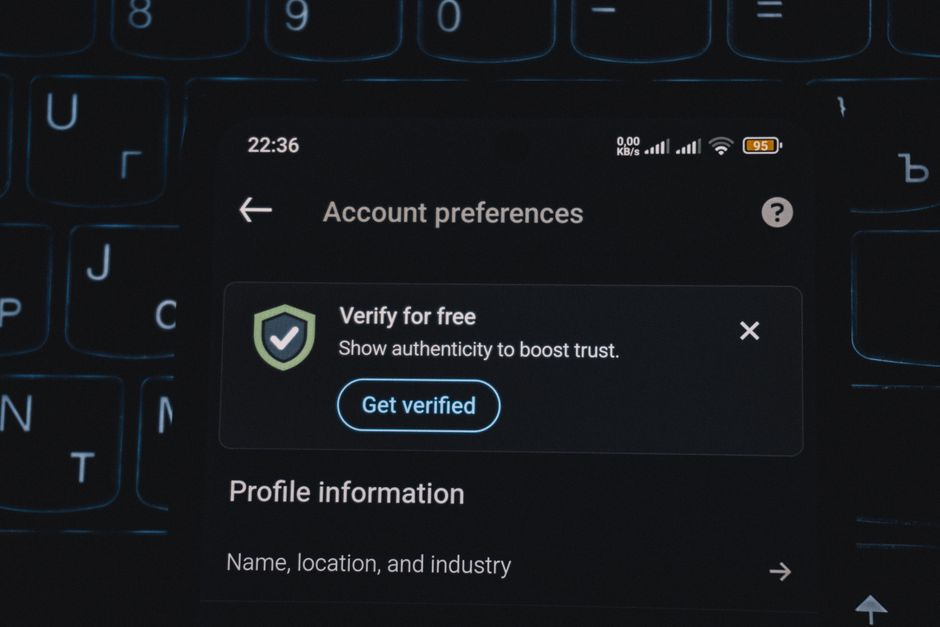
Multi-factor authentication, where available, adds a second verification step during sign-in. This typically involves a code sent to a phone or generated by an authentication app. The method is not a guarantee against every form of account compromise, but it raises the effort required for unauthorized access and provides an early signal when someone attempts to log in. Enabling it on the marketplace account and on the associated email address is a reasonable baseline practice for many shoppers.
Account maintenance also includes reviewing stored information periodically. Saved addresses, phone numbers, and payment methods accumulate over years and may no longer be accurate or necessary. Removing outdated entries reduces the volume of information held and keeps the account aligned with current needs. Reviewing active sessions and connected devices can reveal access that is no longer expected. Notifications for new logins and unusual activity are worth enabling so that changes are noticed promptly rather than discovered later.
- Use a distinct, long password for each marketplace account.
- Enable multi-factor authentication where the platform supports it.
- Remove outdated addresses, phone numbers, and saved payment methods.
- Review active sessions and connected devices regularly.
- Turn on alerts for new sign-ins and account changes.
Payment Practices That Limit Exposure
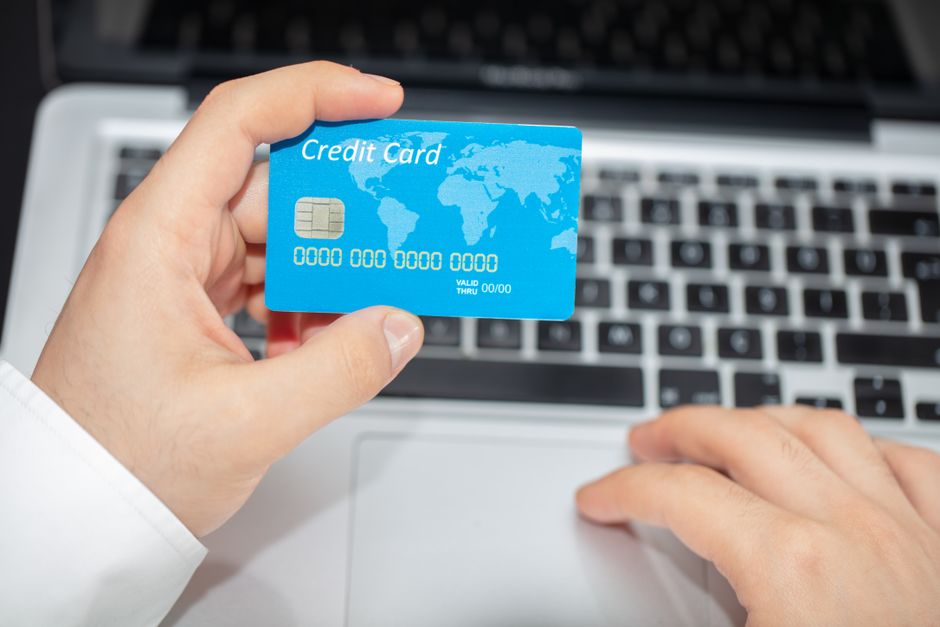
Payment is the stage where financial details are most directly involved, so method selection deserves attention. Credit cards generally offer dispute processes and limited liability protections under U.S. card network rules, which can be relevant if an order is not delivered or a charge is unauthorized. Many marketplaces and payment providers also offer tokenization, where a temporary reference stands in for the card number so that the full number is not stored by every party in the chain.
Dedicated payment services and virtual card numbers can further separate the marketplace transaction from a primary bank account. These approaches keep the underlying financial details out of the marketplace’s records and can be paused or replaced if misuse is suspected. The trade-offs involve added steps and occasional compatibility issues with certain sellers, so the choice depends on individual preferences and the nature of the purchase.
Beyond the method itself, monitoring matters. Reviewing order confirmations and statements for unfamiliar charges supports early detection. Keeping receipts and order numbers in an organized place makes it easier to verify transactions and to respond if a discrepancy appears. If a payment method is compromised, contacting the card issuer promptly and following the marketplace’s own reporting process are standard steps, though outcomes depend on the specifics of each case and applicable policies.
Recognizing Phishing and Marketplace-Specific Scams
Phishing attempts often imitate marketplace communications, and recognizing their patterns is a practical skill. Unexpected messages that request password confirmation, payment details, or verification codes are a common signal. Genuine marketplaces generally direct users to log in through the official app or website rather than asking for credentials in a reply. Links in unexpected messages can lead to look-alike pages designed to capture sign-in information.
Marketplace-specific scams often involve off-platform communication. A seller or buyer who asks to complete a transaction outside the marketplace’s messaging and payment systems removes the protections those systems provide. Requests for payment through gift cards, wire transfers, or peer-to-peer apps outside the platform’s checkout are another recurring pattern. Verifying seller history, reading recent reviews, and keeping communication within the platform’s tools are reasonable habits that align with how the marketplace is designed to operate.
When a message feels unusual, a short verification routine helps. Log in to the marketplace directly rather than through the message, check the order status in the account, and confirm any claims against official records. Reporting suspicious messages through the platform’s reporting tools contributes to broader detection efforts. Awareness of common patterns, combined with a habit of pausing before acting, supports more careful decision-making.
Shipping, Delivery, and Data Minimization
Shipping information is among the most sensitive data shared during a purchase because it is tied to a physical location. Using a consistent, accurate address is important for delivery, but shoppers can still consider what else is attached to the order. Phone numbers provided for delivery notifications may be optional, and email or app notifications can sometimes substitute. Delivery instructions that reveal schedules or access details are worth limiting to what is necessary.
Data minimization is a general principle that applies throughout the shopping process. It means sharing only what each step requires and declining optional fields that serve marketing rather than fulfillment. Marketing preferences, profile enrichment questions, and optional surveys can usually be skipped or adjusted in account settings. Reviewing privacy settings to limit data sharing with advertising partners is another step that many platforms make available.
After a purchase is complete, older order records and saved details can be reviewed and reduced where the platform allows it. This is not about hiding activity but about keeping stored information proportionate to current needs. Combined with the account and payment habits described earlier, these choices form a routine that can be repeated with each purchase and adjusted as circumstances change.
Protecting personal information during marketplace shopping is ultimately a matter of consistent, informed routines rather than any single action. Account hygiene, thoughtful payment methods, scam awareness, and data minimization each contribute a layer of protection. Results vary depending on the platform, the parties involved, and individual behavior, and no approach eliminates all risk. Tools such as SecurePay Guardian can fit into a broader strategy, but the foundation remains the shopper’s own attention to what is shared and where.